
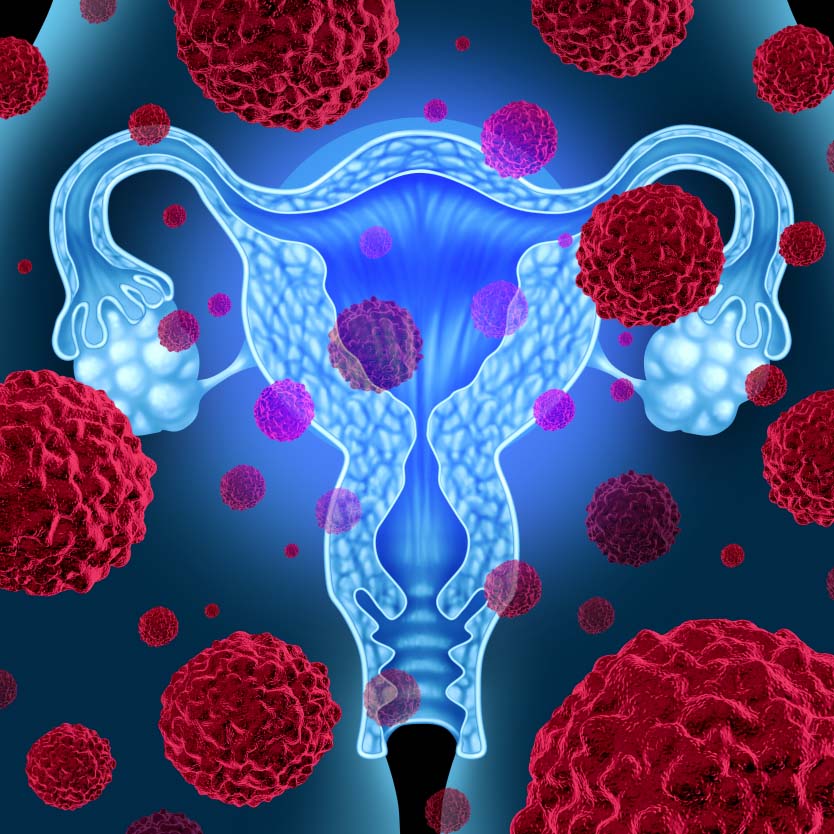
For the past ten years, Beijing South Region Oncology Hospital has been at the forefront of the diagnosis and treatment of various tumors. The hospital advocates for the cooperation of multiple disciplines and integrates medical resources from all departments to provide comprehensive and cutting-edge care for patients. It has also established different cooperation groups for various mono-diseases, ensuring that each patient receives personalized and specialized treatment. Now, the hospital is making strides in the treatment of Graft Versus Host Disease, a potentially life-threatening condition that can occur after a stem cell or bone marrow transplant.
Graft Versus Host Disease (GVHD) occurs when the donor cells (graft) recognize the recipient's cells (host) as foreign and attack them. This can lead to a range of symptoms, from mild skin rashes to severe damage to the liver, lungs, or other organs. GVHD is a significant concern for patients undergoing stem cell or bone marrow transplants, and effective treatment options are crucial in improving patient outcomes.
Beijing South Region Oncology Hospital has assembled a multidisciplinary team of experts to focus on the diagnosis and treatment of GVHD. This team includes hematologists, oncologists, dermatologists, pulmonologists, and other specialists who collaborate to develop personalized treatment plans for each patient.
Dr. Wang, head of the GVHD treatment team at Beijing South Region Oncology Hospital, explains, "GVHD is a complex condition that requires a comprehensive approach to treatment. Our team is dedicated to staying at the forefront of research and treatment options for GVHD to ensure that our patients receive the best possible care."
The hospital offers a range of treatment options for GVHD, including immunosuppressive medications, phototherapy for skin symptoms, and advanced therapies such as extracorporeal photopheresis. In addition to providing cutting-edge medical treatments, the hospital also prioritizes the emotional and psychological well-being of GVHD patients, offering counseling and support services to help them navigate the challenges of living with a chronic condition.
Beijing South Region Oncology Hospital is also actively involved in research related to GVHD, with several ongoing clinical trials aimed at developing new and improved treatments for the condition. By participating in these trials, patients at the hospital have access to innovative therapies that may not be available elsewhere.
As a leading oncology hospital in the region, Beijing South Region Oncology Hospital is committed to not only treating cancer but also addressing the complications and side effects that can arise from cancer treatments, such as GVHD. The hospital's dedication to providing comprehensive care for cancer patients and transplant recipients has earned it a reputation for excellence in the field of oncology and transplantation medicine.
In addition to its clinical and research efforts, Beijing South Region Oncology Hospital also prioritizes patient and caregiver education, offering resources and support to help patients understand and manage their condition. By empowering patients with knowledge and tools to cope with GVHD, the hospital aims to improve the overall quality of life for those affected by this challenging condition.
With its multidisciplinary approach, cutting-edge treatments, and commitment to research and education, Beijing South Region Oncology Hospital is setting a high standard for the diagnosis and treatment of Graft Versus Host Disease. As the hospital continues to make strides in the field of transplantation medicine, patients can rest assured that they are receiving the best possible care for GVHD and other related conditions.