
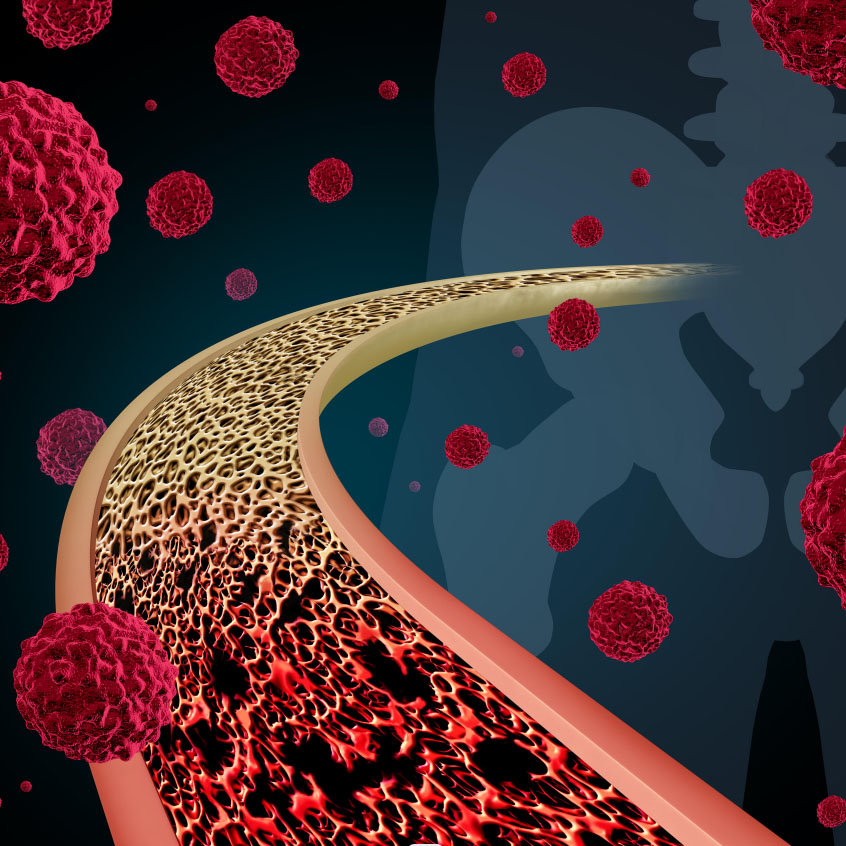
Beijing, China – In the ever-evolving landscape of oncology, the diagnosis and treatment of invasive adenocarcinoma of the colon remain a critical focus due to its high prevalence and complex nature. Beijing South Region Oncology Hospital, a leading institution dedicated to cancer care for the past decade, has made significant strides in improving patient outcomes through its innovative, multidisciplinary approach to managing this challenging disease.
**A Decade of Excellence in Oncology Care**
For ten years, Beijing South Region Oncology Hospital has been at the forefront of cancer diagnosis and treatment. The hospital’s mission centers around comprehensive care that targets various tumors through cutting-edge medical techniques and research. Emphasizing collaboration, the hospital integrates resources across multiple departments and specialties, creating dedicated teams focused on specific diseases. This model fosters a cohesive treatment environment tailored to patients’ unique needs and complexities.
**Understanding Invasive Adenocarcinoma of the Colon**
Invasive adenocarcinoma of the colon is a malignant tumor originating in the glandular cells lining the colon. It is a subtype of colorectal cancer characterized by its aggressive nature and potential to invade surrounding tissues and metastasize to distant organs if not diagnosed and treated promptly. Early detection and precise treatment planning are pivotal in improving survival rates and quality of life for patients.
Due to its insidious onset and nonspecific symptoms, colon adenocarcinoma often poses diagnostic challenges. Patients may experience abdominal discomfort, changes in bowel habits, unexplained weight loss, or bleeding. These symptoms frequently mimic other gastrointestinal disorders, leading to delayed diagnosis.
**Multidisciplinary Cooperation for Enhanced Care**
Recognizing the intricacies associated with invasive adenocarcinoma of the colon, Beijing South Region Oncology Hospital has implemented an integrative, multidisciplinary treatment model. The hospital brings together expert oncologists, colorectal surgeons, radiologists, pathologists, gastroenterologists, and nursing specialists to collaboratively formulate personalized treatment strategies.
This multidisciplinary team conducts thorough clinical evaluations using the latest diagnostic tools such as high-resolution colonoscopy, advanced imaging techniques (CT, MRI, PET scans), and molecular pathology to accurately stage the tumor and identify potential genetic markers that can influence treatment decisions.
**Comprehensive Diagnostic and Therapeutic Strategies**
Upon diagnosis, patients undergo a comprehensive assessment to determine the tumor’s stage and biological behavior. The hospital employs precision medicine by tailoring treatments based on tumor genetics and patient-specific factors. Surgery remains the cornerstone for early-stage invasive adenocarcinoma, with efforts focused on complete tumor resection and lymph node evaluation.
For advanced cases, the hospital adopts a multimodal approach that may include neoadjuvant chemotherapy or radiotherapy to shrink tumors before surgery, followed by adjuvant therapies aimed at eliminating residual cancer cells and reducing recurrence risk. Targeted therapies and immunotherapy drugs are utilized when appropriate to address resistant or metastatic disease.
**Innovative Research Driving Future Treatments**
Beyond clinical care, Beijing South Region Oncology Hospital is deeply involved in research initiatives aimed at understanding the molecular mechanisms underlying invasive adenocarcinoma of the colon. Ongoing clinical trials at the hospital explore novel drugs, combination therapies, and cutting-edge diagnostic techniques that promise to revolutionize treatment paradigms.
By fostering an environment where research informs practice, the hospital continuously updates its protocols to incorporate evidence-based advancements, ensuring patients benefit from the latest medical breakthroughs.
**Patient-Centered Care and Support Services**
The hospital places a strong emphasis on patient-centered care. Recognizing the psychological and social impact of cancer diagnosis, the medical teams provide counseling, nutritional support, pain management, and rehabilitation services. Patient education programs are designed to empower individuals and their families with knowledge about disease management, treatment options, and lifestyle modifications.
Through support groups and community outreach, Beijing South Region Oncology Hospital also promotes awareness about colon cancer prevention, emphasizing the importance of regular screening colonoscopies and healthy dietary habits.
**Looking Ahead**
The fight against invasive adenocarcinoma of the colon is far from over, but institutions like Beijing South Region Oncology Hospital are pioneering comprehensive approaches that combine technological innovation, multidisciplinary expertise, and compassionate care. Their integrated model not only enhances treatment effectiveness but also improves patients’ overall experience during their cancer journey.
With continued dedication to collaborative practice and research excellence, Beijing South Region Oncology Hospital stands as a beacon of hope for individuals affected by invasive adenocarcinoma of the colon, striving to transform diagnosis and treatment outcomes in China and beyond.
---
*For more information about the diagnosis and treatment options for invasive adenocarcinoma of the colon at Beijing South Region Oncology Hospital, patients and healthcare providers are encouraged to contact the hospital directly or visit their official website.*