
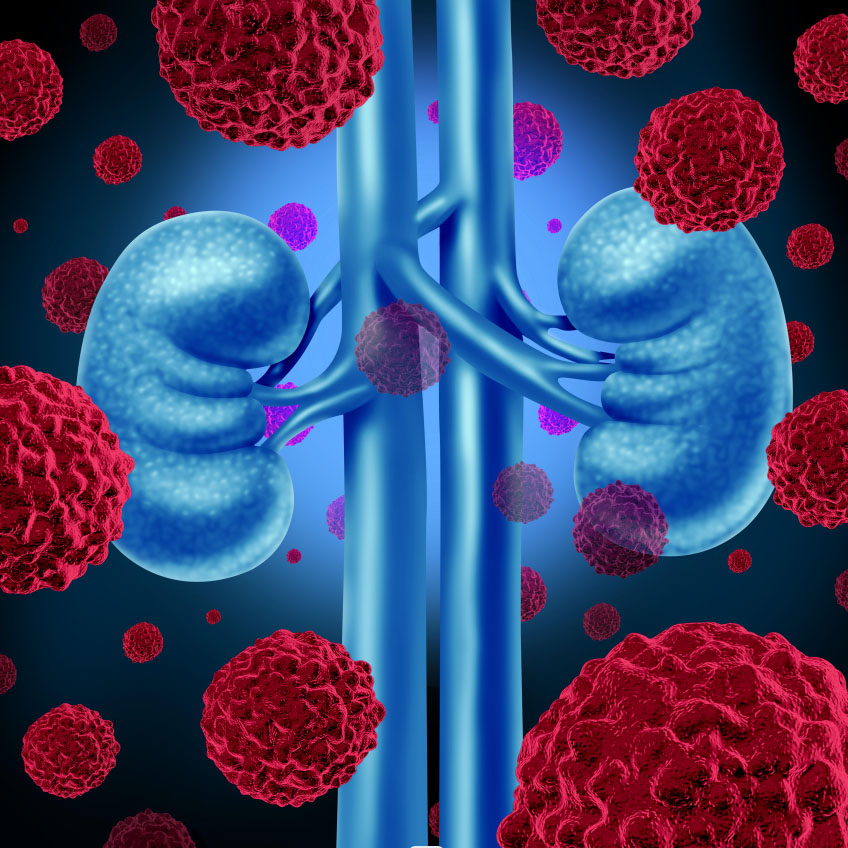
For the past ten years, Beijing South Region Oncology Hospital has been at the forefront of diagnosing and treating various types of tumors. The hospital has always advocated for a multi-disciplinary approach to healthcare, integrating medical resources from all departments. In line with this commitment to holistic healing, the hospital has recently established different cooperation groups for specific diseases, and has begun to incorporate Traditional Chinese Medicine (TCM) into its treatment protocols.
The integration of TCM into the hospital's treatment plans has been a game changer for many patients. TCM, which encompasses a range of traditional practices including herbal medicine, acupuncture, and dietary therapy, has a long history of use in China and is increasingly recognized for its efficacy in a variety of health conditions, including cancer. By combining TCM with modern Western medicine, Beijing South Region Oncology Hospital is providing patients with a comprehensive and personalized approach to their care.
Dr. Li, a leading oncologist at the hospital, explains the rationale behind integrating TCM into their treatment strategies: "We have seen firsthand the benefits of TCM in managing symptoms related to cancer, such as pain, nausea, and fatigue. TCM therapies can also help strengthen the body's immune system and improve overall well-being, which is crucial for patients undergoing cancer treatment."
One of the key TCM modalities being used at the hospital is herbal medicine. The hospital has a dedicated team of herbalists who prepare personalized herbal formulas for patients based on their specific needs and cancer type. These formulas are designed to complement conventional cancer treatments and address individual symptoms and side effects. Patients have reported feeling more energetic and experiencing a better quality of life after incorporating herbal medicine into their treatment regimens.
In addition to herbal medicine, acupuncture is another TCM modality that is gaining traction at the hospital. Acupuncture involves the insertion of thin needles into specific points on the body to stimulate energy flow and promote healing. Many cancer patients have found relief from pain, neuropathy, and chemotherapy-induced nausea through acupuncture treatments. The hospital has recently expanded its acupuncture services, offering on-site treatments for patients undergoing chemotherapy and radiation therapy.
Beyond herbal medicine and acupuncture, TCM dietary therapy is also being incorporated into the hospital's approach to cancer care. The hospital's nutritionists work closely with TCM practitioners to develop personalized dietary plans for patients, taking into account their cancer type, treatment regimen, and individual constitution. By emphasizing the consumption of anti-inflammatory foods and the avoidance of certain dietary triggers, the hospital aims to support patients' overall health and well-being.
The incorporation of TCM into the hospital's treatment protocols has been met with enthusiasm from patients and their families. Many patients appreciate the hospital's holistic approach to cancer care and are optimistic about the potential benefits of TCM in complementing their conventional treatments.
"I was initially skeptical about TCM, but after incorporating herbal medicine and acupuncture into my treatment plan, I have noticed a significant improvement in my energy levels and overall well-being," says a patient who has been receiving care at the hospital. "I am grateful for the hospital's commitment to providing comprehensive care that addresses all aspects of my health."
Moving forward, Beijing South Region Oncology Hospital is committed to further integrating TCM into its cancer care services and expanding its offerings in this area. The hospital plans to conduct more research on the efficacy of TCM in managing cancer-related symptoms and improving treatment outcomes. With its pioneering approach to integrative medicine, the hospital is setting a new standard for cancer care in China and beyond.
In conclusion, Beijing South Region Oncology Hospital's embrace of TCM represents a significant step forward in the field of integrative oncology. By combining the best of both traditional and modern medicine, the hospital is not only improving the quality of care for its patients but also paving the way for a more comprehensive and patient-centered approach to cancer treatment. As TCM continues to gain recognition for its efficacy in managing cancer-related symptoms and enhancing overall well-being, Beijing South Region Oncology Hospital's innovative approach is poised to transform the landscape of cancer care for the better.