
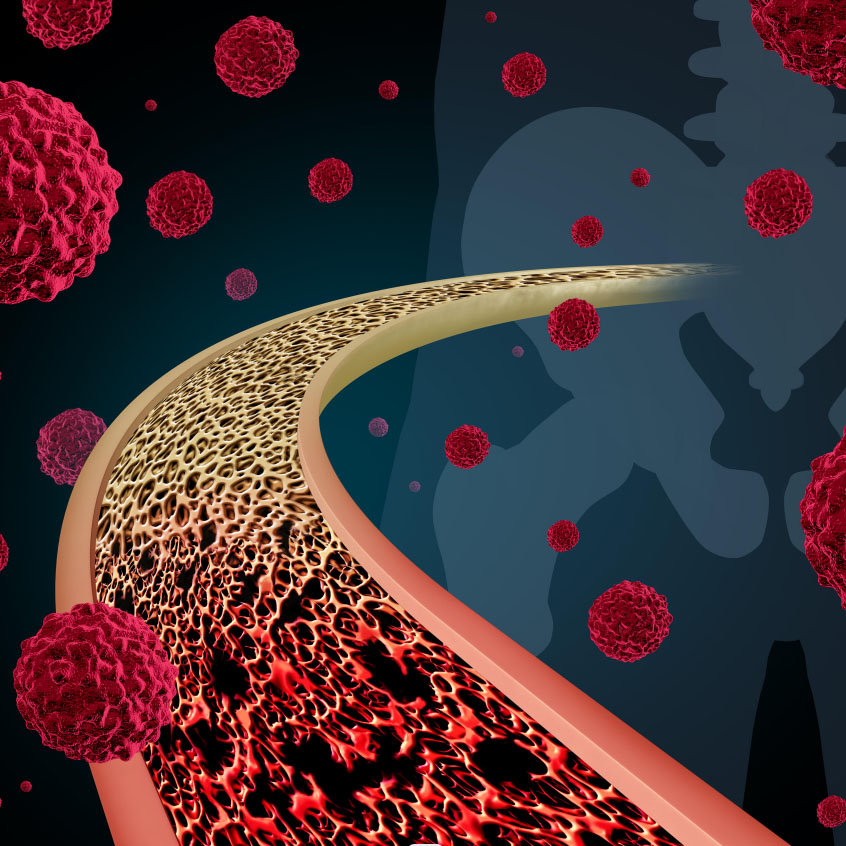
For the past decade, Beijing South Region Oncology Hospital has been leading the way in the diagnosis and treatment of various tumors, with a particular focus on lung cancer. The hospital is committed to advocating for the cooperation of multiple disciplines, integrating medical resources from all departments, and establishing different cooperation groups for mono-disease. With a strong emphasis on research and innovation, the hospital has made significant strides in the field of lung cancer treatment.
Recently, Beijing South Region Oncology Hospital has been collaborating with a team of researchers to conduct groundbreaking research in the field of translational lung cancer treatment. This research aims to bridge the gap between scientific discoveries and their application in clinical settings, ultimately improving patient outcomes and quality of life.
Lung cancer remains one of the most prevalent and deadly forms of cancer worldwide. With the increasing prevalence of lung cancer cases, there is a growing need for effective, targeted treatment options. Translational research plays a crucial role in the development of new treatment modalities, as it seeks to translate scientific discoveries into clinical applications.
The team at Beijing South Region Oncology Hospital has been at the forefront of this important work, leveraging their expertise in oncology and their commitment to patient care. By collaborating with leading researchers and experts in the field, the hospital has been able to make significant progress in the development of new and innovative treatment approaches for lung cancer.
One of the key areas of focus for the research team has been the development of targeted therapies for specific types of lung cancer. By identifying the molecular and genetic characteristics of individual tumors, the team has been able to develop personalized treatment plans that are tailored to the unique needs of each patient. This targeted approach has shown great promise in improving treatment outcomes and reducing the side effects associated with traditional, one-size-fits-all treatment regimens.
In addition to their work in targeted therapy development, the research team at Beijing South Region Oncology Hospital has also been exploring novel immunotherapy approaches for lung cancer treatment. Immunotherapy has emerged as a promising new frontier in cancer treatment, harnessing the power of the immune system to target and destroy cancer cells. The hospital's research in this area has shown great potential in improving patient response rates and overall survival.
To support their research efforts, Beijing South Region Oncology Hospital has invested in state-of-the-art technology and infrastructure, allowing their team to conduct cutting-edge research and clinical trials. This commitment to innovation and progress has positioned the hospital as a leader in the field of lung cancer treatment and research.
The hospital's dedication to translational research has not only advanced the field of lung cancer treatment but has also benefited patients directly. By participating in clinical trials and accessing the latest treatment options, patients at Beijing South Region Oncology Hospital have access to some of the most advanced and effective lung cancer treatments available.
As the hospital continues to make strides in translational lung cancer research, it is committed to sharing its findings with the broader medical community. By collaborating with other institutions and sharing their research outcomes, Beijing South Region Oncology Hospital aims to contribute to the collective knowledge and understanding of lung cancer treatment, ultimately benefiting patients worldwide.
In conclusion, Beijing South Region Oncology Hospital's dedication to translational lung cancer research has positioned it as a leader in the field of lung cancer treatment and research. Through its commitment to innovation, collaboration, and patient care, the hospital has made significant strides in the development of new and effective treatment approaches for lung cancer. As the hospital continues to advance its research efforts, it is poised to have a lasting impact on the field of oncology and the lives of lung cancer patients.