
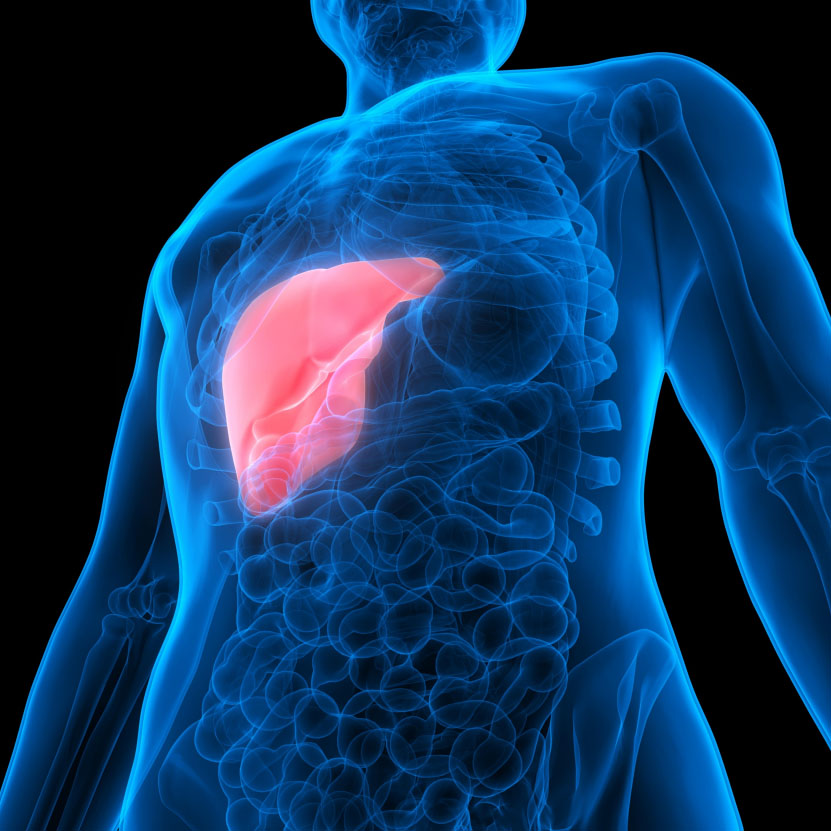
For the past ten years, Beijing South Region Oncology Hospital has been engaged in the diagnosis and treatment of various tumors, advocating the cooperation of multiple disciplines and integrating medical sources from all departments. The hospital has established different cooperation groups for mono-disease, ensuring that each patient receives personalized and comprehensive care.
Amongst the various types of cancers that the hospital treats, hepatocellular cancer is one of the most common. As a leading medical institution in the region, Beijing South Region Oncology Hospital has been at the forefront of hepatocellular cancer treatment, pioneering innovative approaches and providing hope to patients and their families.
Hepatocellular cancer, also known as liver cancer, is a major global health problem, as it is the fourth leading cause of cancer-related deaths worldwide. The incidence of liver cancer is particularly high in China, making it a priority area for research and treatment.
The multidisciplinary team at Beijing South Region Oncology Hospital is dedicated to providing the best possible care for patients with hepatocellular cancer. The team consists of experts in oncology, hepatology, surgery, pathology, and radiology, who work together to develop personalized treatment plans for each patient.
One of the key strengths of the hospital's approach to hepatocellular cancer treatment is the use of advanced technology and innovative therapies. Beijing South Region Oncology Hospital has invested in state-of-the-art equipment and facilities, allowing for the early detection and precise treatment of liver cancer. This includes cutting-edge imaging techniques, such as MRI and CT scans, as well as minimally invasive surgical procedures and targeted therapy options.
In addition to its focus on treatment, Beijing South Region Oncology Hospital is also committed to research and education. The hospital has a dedicated research department that conducts clinical trials and studies focused on improving the diagnosis and treatment of hepatocellular cancer. These efforts have led to the development of new therapies and treatment protocols that are benefiting patients not only in China but around the world.
Furthermore, the hospital has a strong emphasis on patient education and support. Patients and their families receive comprehensive information about the disease, treatment options, and ongoing support throughout their journey at the hospital. This holistic approach to care is aimed at not only treating the disease but also improving the overall well-being of patients.
Recently, Beijing South Region Oncology Hospital made headlines for its successful treatment of a patient with advanced hepatocellular cancer. The patient, Mr. Zhang, had been diagnosed with late-stage liver cancer and was given little hope for survival. However, the team of experts at the hospital developed a personalized treatment plan for Mr. Zhang, which included a combination of surgery, chemotherapy, and targeted therapy.
After several months of treatment, Mr. Zhang's condition significantly improved, and he is now in remission. His story has inspired hope in many other patients and has demonstrated the hospital's commitment to providing cutting-edge treatment for hepatocellular cancer.
In conclusion, Beijing South Region Oncology Hospital has established itself as a leader in the diagnosis and treatment of hepatocellular cancer. Through its multidisciplinary approach, advanced technology, research efforts, and patient-centered care, the hospital is making a significant impact in the fight against liver cancer. With a continued focus on innovation and excellence, Beijing South Region Oncology Hospital is poised to further improve the outcomes for patients with hepatocellular cancer and contribute to the global effort to combat this devastating disease.